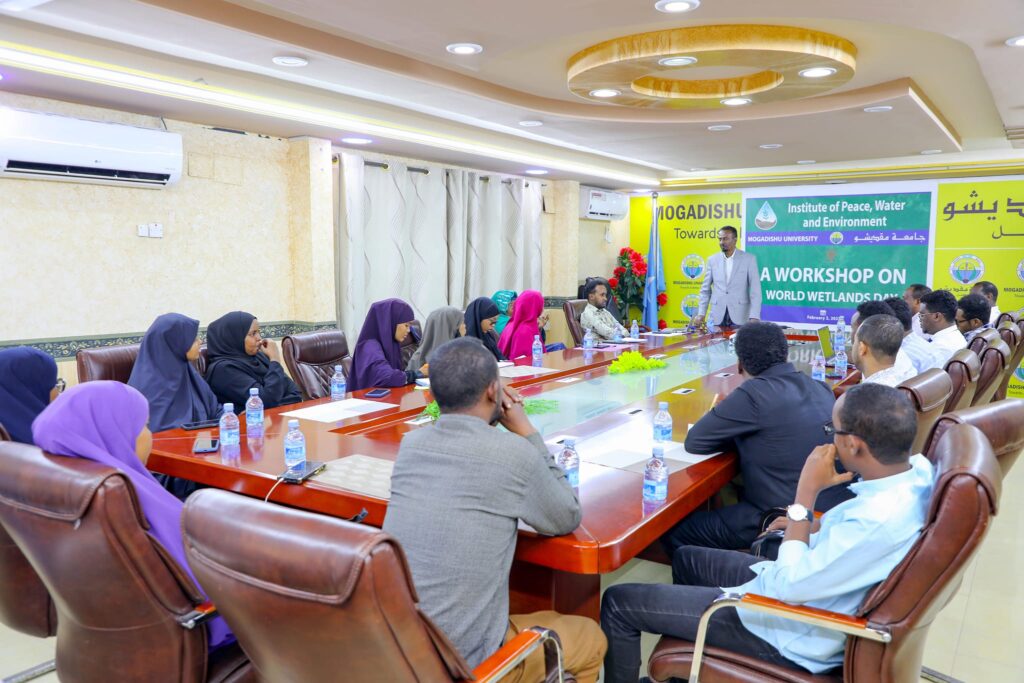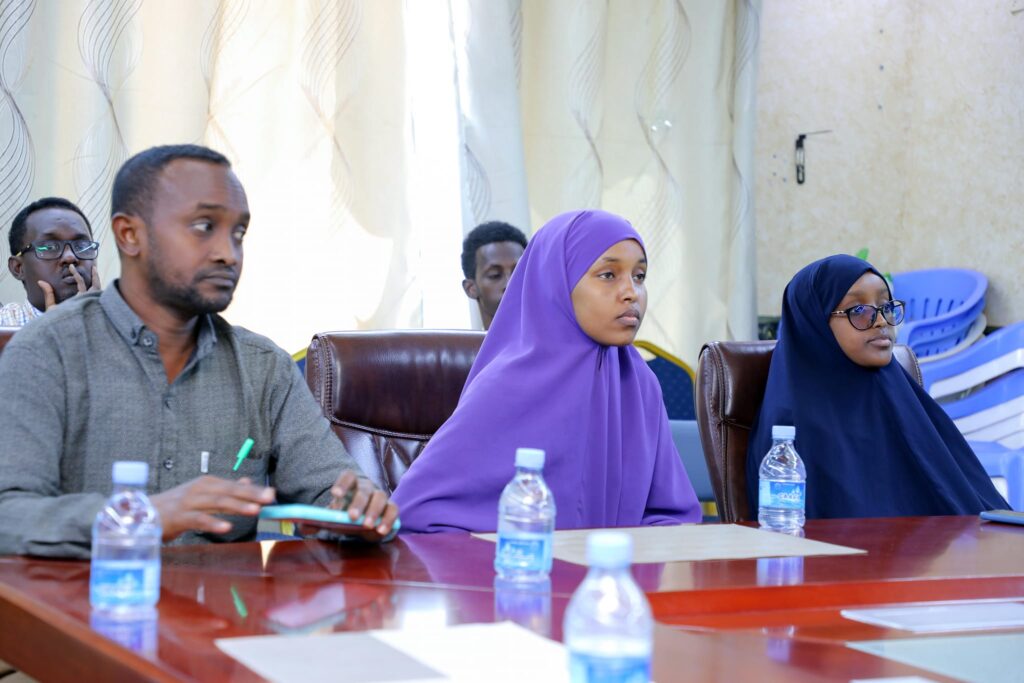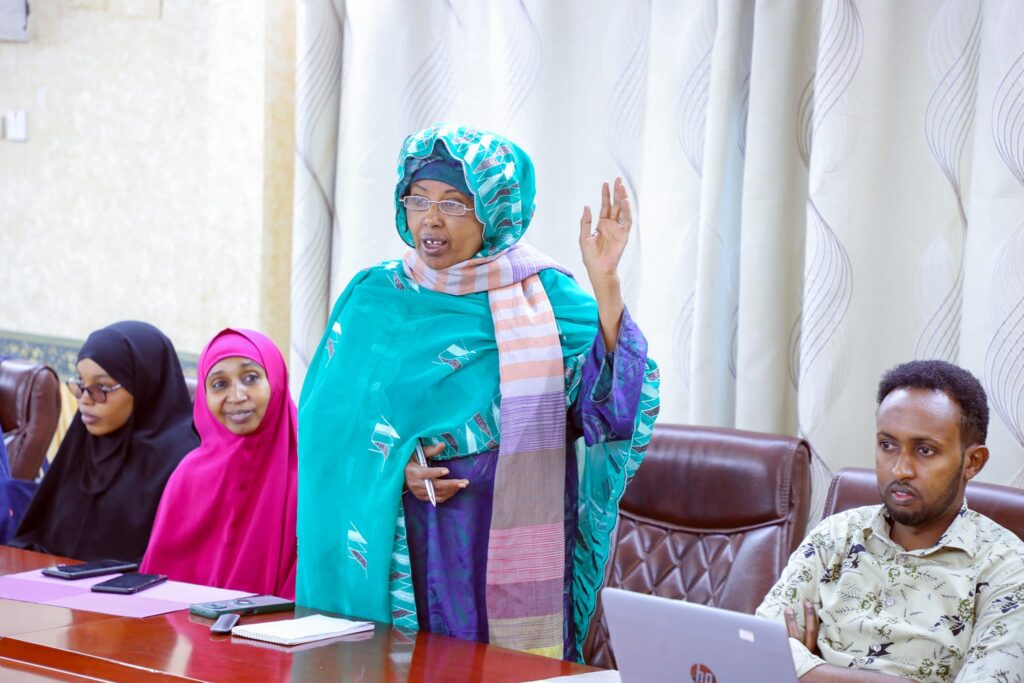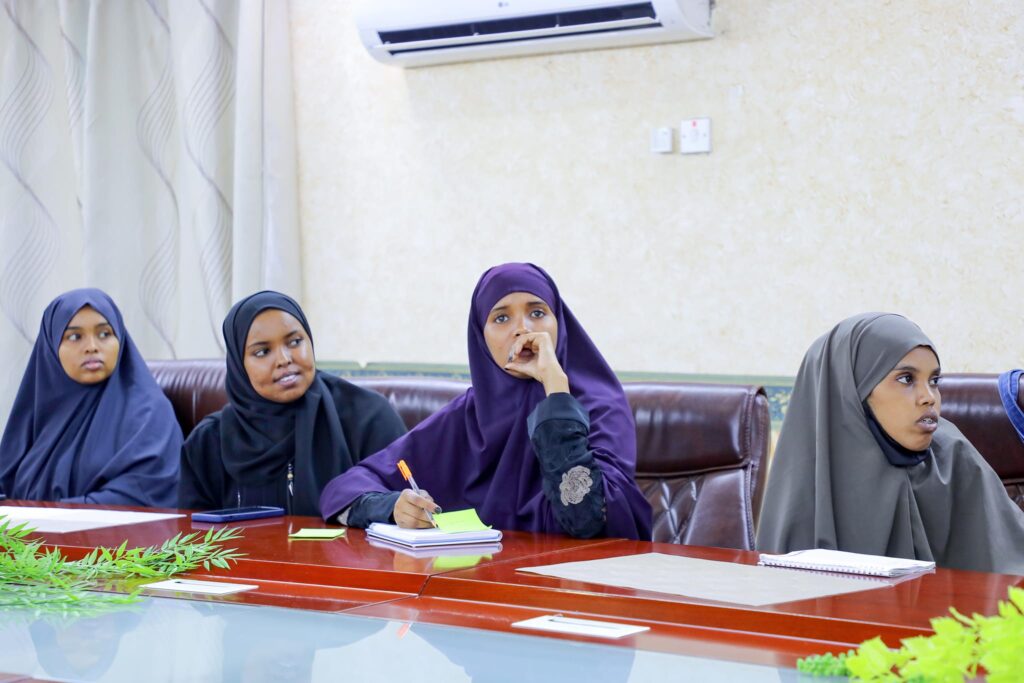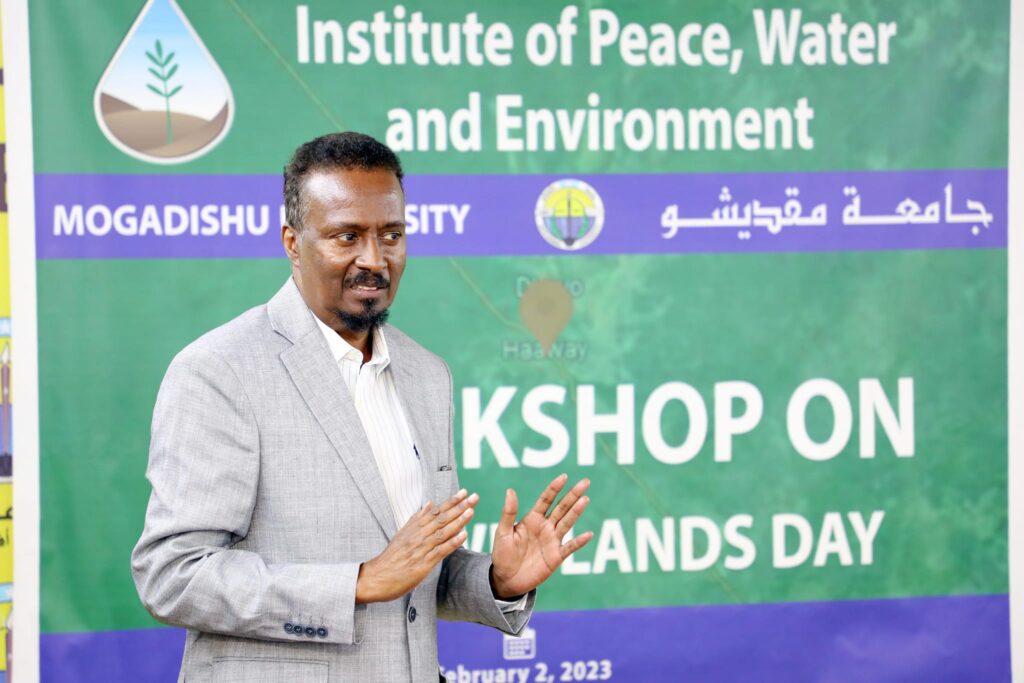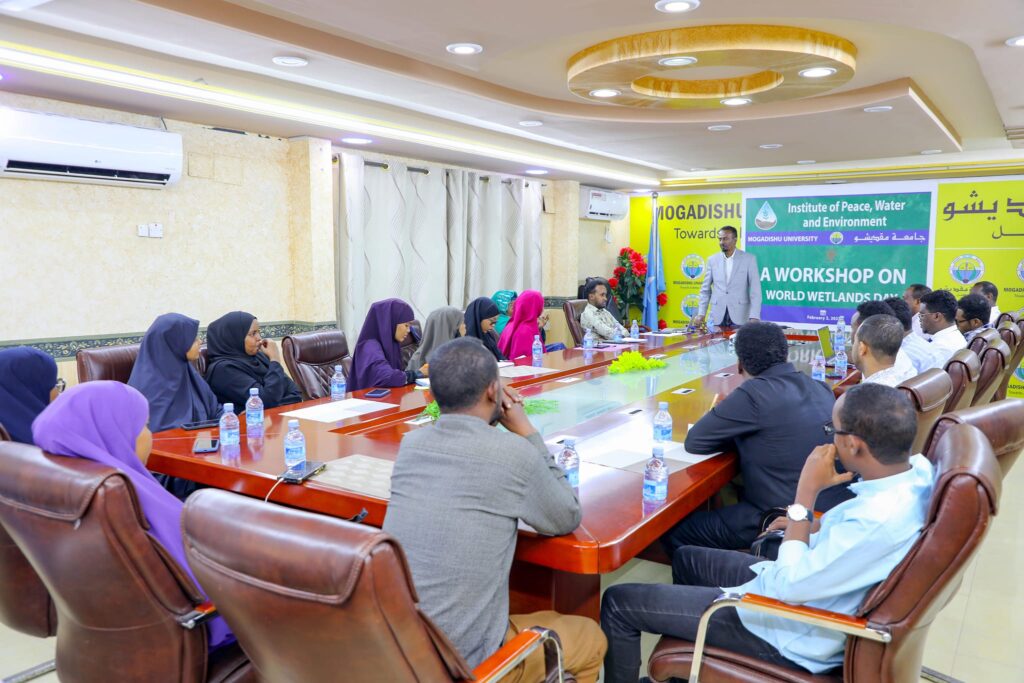
The Institute of Peace, Water, and Environment recently hosted a celebration of World Wetlands Day, a global initiative aimed at raising awareness about the vital role wetlands play in supporting biodiversity, regulating water systems, and providing resources for local communities. This year’s celebration in Somalia focused on the importance of preserving the country’s valuable wetland ecosystems, which are essential for both people and the planet.
Somalia is home to several key wetlands, particularly in regions like Sakow, Afmadow, and Jamaame. These wetlands have traditionally supported local communities by providing resources such as water, food, and livelihoods. However, these ecosystems are increasingly threatened by human activities. Large-scale construction projects and extensive deforestation have led to severe ecological disruptions, including the loss of wetland areas. These challenges have raised concerns about the long-term health of Somalia’s wetland ecosystems and the communities that depend on them.
During the event, experts and environmentalists emphasized the urgent need for sustainable practices to protect these vital areas. They highlighted the critical role wetlands play in mitigating climate change impacts, preventing flooding, and maintaining biodiversity. The celebration was not only an opportunity to reflect on the importance of wetlands but also a call to action for better conservation practices and policies to safeguard these essential ecosystems for future generations.