Emped Environmental Initiative

Emped Environmental Initiative

Water Harvesting

Collecting and storing rainwater for reuse, rather than allowing it to run off. This technique reduces dependence on groundwater and municipal water supply, helping to conserve water resources.

Tree Planting

Strategic planting of trees to combat deforestation, improve air quality, and restore natural habitats. Trees play a crucial role in carbon sequestration and maintaining ecological balance.

Flood Control

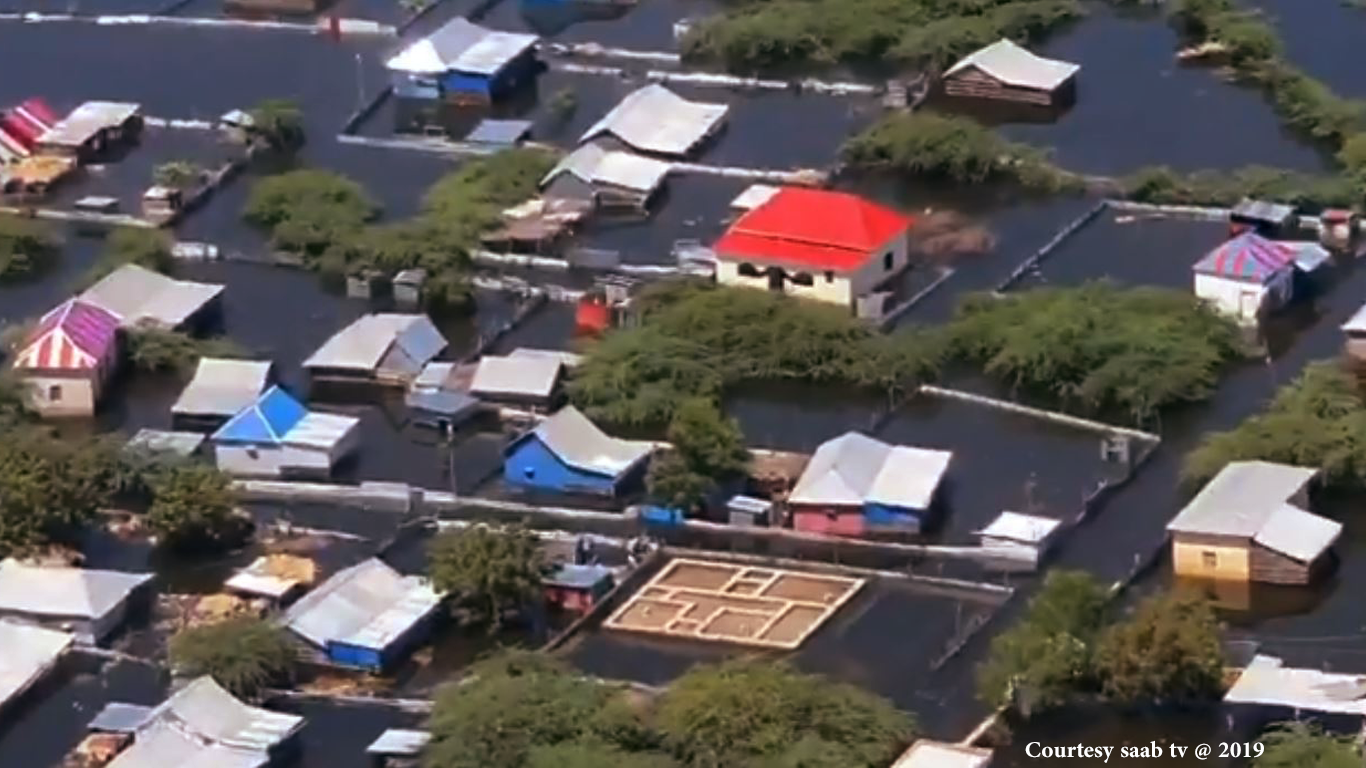
Implementing natural and engineered solutions to manage floodwaters, reduce erosion, and protect communities. This includes creating wetlands, retention ponds, and sustainable drainage systems.

“GEED LA GOOYEY WAA NAF LA GOOYEY”
“A Tree Cut is a Life Cut”

Waste Disposal

Implementing responsible waste management systems that prioritize recycling, composting, and safe disposal methods to minimize environmental pollution and promote a circular economy.

Drought Reduction

Employing water conservation techniques, soil moisture retention, and drought-resistant crops to mitigate the impacts of drought and ensure sustainable agriculture in arid regions.

Natural Resource Management

Sustainable stewardship of natural resources including forests, water, soil, and minerals to meet current needs without compromising the ability of future generations to meet theirs.

Emped – Our Partners

OUR PARTNERS

MoHADM

Ministry of Humanitarian Affairs and Disaster Management – Somalia. A key government institution responsible for coordinating humanitarian response, disaster risk reduction, and resilience-building initiatives across Somalia.

Government Ministry

Somali Environmental Conservation

Somali Environmental Conservation is a non-profit and non-governmental organization founded in 2016 with the objective of protecting the Somali environment through conservation, advocacy, and community engagement for sustainable development.
Non-Profit Organization

IGAD DRY LAND FORUM

This is an IGAD member countries’ research forum to collaborate and coordinate their research efforts to protect and promote dry land resiliency and sustainability. The objective is to support the fragile dry land communities to improve their livelihoods and build resilience against climate change impacts.
Regional Research Forum

ELD (The Economics of Land Degradation)

The Economics of Land Degradation (ELD) Initiative is a global collaboration to evaluate and raise awareness on the economic benefits of land and land based ecosystems. It focuses on sustainable land management and the economic case for addressing land degradation worldwide.

Global Initiative
Collaborating with 4 Major Partners for Environmental Sustainability
Emped – About & FAQ

About & FAQs

Emped Center
Emped Research Center
Advancing water and environmental research in Somalia

The State of Somali Environment

Frequently asked questions about our research and mission

What is the current state of the Somali environment?
The current state of the Somali environment is quite deplorable in terms of recurrent alternate droughts and floods with recurrence rate of about every 3 – 4 years. This cyclical pattern of environmental disasters has devastating effects on communities, agriculture, and wildlife, making sustainable development challenging.
What are the objectives of the Center?
The center strives to research the condition of environment and water in Somalia. Our main objectives include:
  • Provision of scientific research, evaluating the extent of damage to the environment during and after the civil war
  • Generate and propose positive approaches to environmental recovery and wildlife conservation
  • Develop and propose water and environmental protection policies
  • Organize seminars and workshops about water and environment to share information with Public and other like-minded environmental organizations
What is the mission of the center?
Advance research and development of water and environment and achieve sustainable natural resources. We are committed to conducting groundbreaking research that addresses the unique environmental challenges facing Somalia while promoting sustainable practices that benefit both people and ecosystems.
What is the vision of the center?
Well managed sustainable natural resources in habitable environment. We envision a future where Somalia’s natural resources are responsibly managed, environmental degradation is reversed, and communities thrive in harmony with their ecosystems through science-based conservation approaches.
What are the core values of the center?
Promote peace and coexistence in natural resource protection-and-sharing and prevent harm. Our core values guide all our research and community engagement efforts.
Peace Promotion
Coexistence
Resource Protection
Equitable Sharing
Harm Prevention
Community Focus
0
Research Projects
0
Active Partners
0
Workshops Held
0
Years Operating